Readings and Writings
After finishing The Bare Bones Camera Course for Film and Video by Tom Schroeppel, I feel like I’ve grown a lot in my understanding of video production. When I started, I only had a basic grasp of how to use a camera and edit videos. Now, I’m much more confident in framing shots, understanding lighting, and audio techniques that can make storytelling more effective. I’m also especially confident in my skills when it comes to using software like Adobe Premiere Pro and Audition.
The most useful thing I learned is how to focus on the details. Adjusting your audio, having the proper equipment like a microphone for clear, crisp sound, and making sure my shots have the correct coloring, contrast, and exposure all make a big difference. I also learned the importance of continuity—ensuring that the story I’m trying to tell flows smoothly from scene to scene.
The hardest part for me was understanding lighting setups. There are so many factors to consider, like direction, intensity, and color temperature, but with practice, it started to make sense. One thing I’d like explore is advanced editing techniques for storytelling, especially in scenes that are dramatic or require a lot of emotion. I could see myself using what I’ve learned for personal projects, such as videos for social media or any work my future jobs may require.
Research to Inform
J and L cuts are editing techniques that make transitions in film feel smoother and more natural. By overlapping audio and visuals between scenes, they help the story flow in a way that keeps viewers engaged. J cuts let us hear what’s coming before we see it, building anticipation, while L cuts let a scene linger visually as the next audio begins, creating a seamless connection.
L Cut Example:
In the film Forrest Gump (1994), there’s a poignant L cut during the scene where Forrest is narrating his experiences in Vietnam. As he describes the different types of rain they encountered, the audio of his narration continues while the visuals transition to scenes of soldiers trudging through the rain-soaked jungle. This technique effectively immerses the audience in Forrest’s memories, blending his storytelling with the depicted events.
J Cut Example:
In The Wolf of Wall Street (2013), a J cut is used when Jordan Belfort is about to make his first sale. Before the scene shifts to him on the phone, we hear his voice initiating the call while still viewing the previous scene. This anticipatory audio creates a seamless transition, building excitement and drawing the audience into the pivotal moment of his first successful pitch.
Create
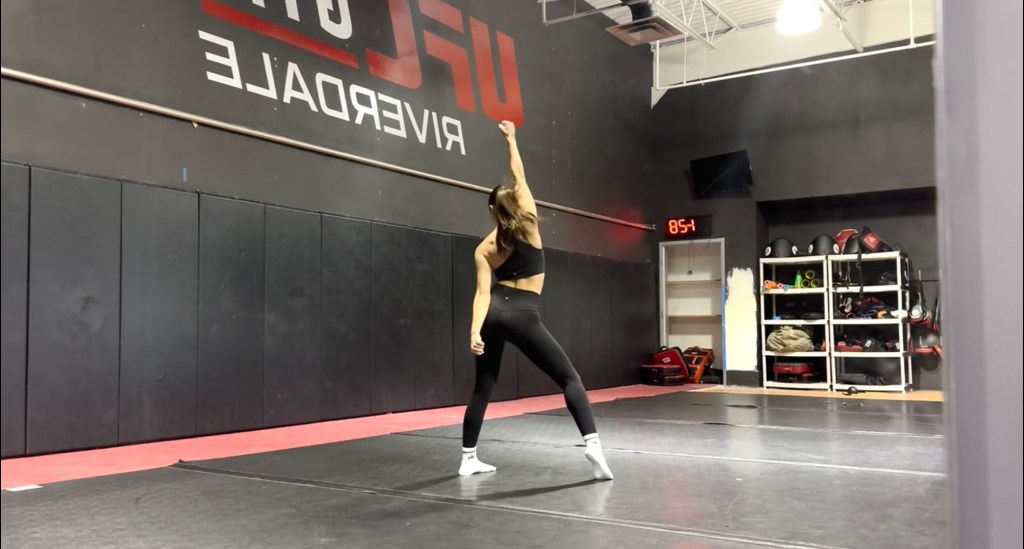
Recently, I created a mini documentary called The Heart of Dance, which brings together everything about the word of film and editing I’ve learned over the past few months. This project reflects the skills I’ve developed, especially from studying The Bare Bones Camera Course for Film and Video. It allowed me to take what I’ve learned about storytelling, filming techniques, and editing and put it all into one cohesive piece.
The documentary focuses on the life and art of a professional dancer, capturing their passion and dedication to the craft. I paid close attention to details like audio and music, ensuring that every sound felt clear and purposeful. The music was chosen to match the emotion and rhythm of the story, creating a strong connection between the visuals and the soundtrack.
I also applied what I learned about camera angles, creative shots, and transitions. From wide shots that show the dancer’s movements in full, to close-ups that highlight important details of the story, every angle was chosen to enhance the storytelling. Smooth transitions were another focus, helping the flow feel natural and engaging. In many ways, this project encapsulates all the work I’ve done this semester and shows how much I’ve grown in my ability to bring a story to life.
View my work below:
References
Schroeppel, T. (2018). The Bare Bones Camera Course for film and video.
 Nicole Calabrese's Blog
Leave a comment