Have you ever watched a video where the sound just seemed…off? Maybe the music was way too loud or the dialogue was muffled. It can really pull you out of the experience.
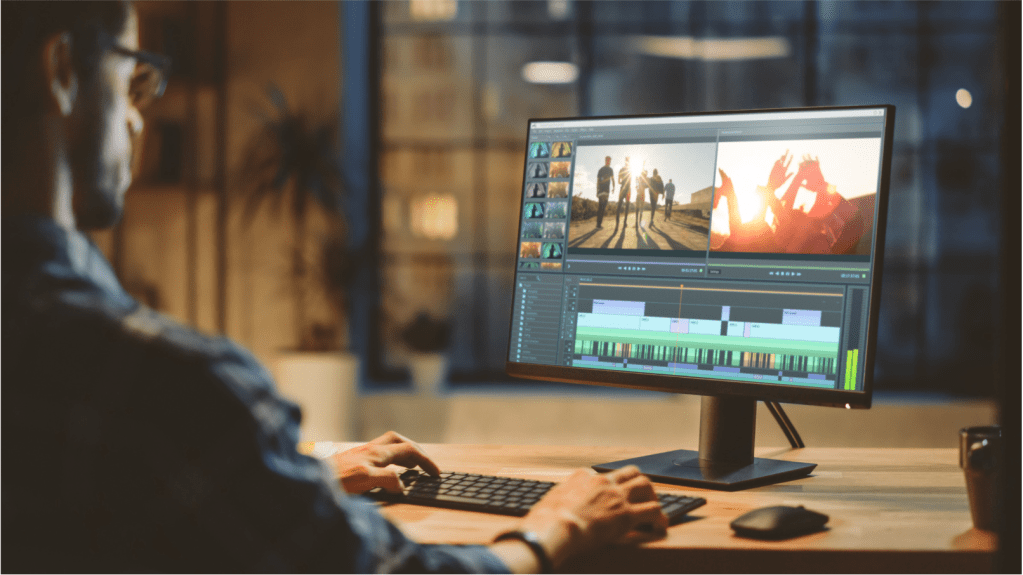
Audio can be the magic that turns an ordinary scene into something unforgettable, making visuals come to life in ways we don’t always notice but definitely feel. Whether it’s cleaning up background noise in a home recording or blending music and sound effects for a movie scene, using audio techniques can add layers of depth and emotion.
Readings and Writings
Editing Audio for Video: Keeping It Simple and Effective
The article Sound Advice: Editing Audio for Video by Videomaker, explains how good audio can make or break a video. Even the best visuals won’t hold viewers’ attention if the sound is distracting or inconsistent.
The first step to clean audio is cutting out background noise, which can be anything from wind to low hums. Simple tweaks, like reducing these noises early on, can make a huge difference. Making dialogue clear is also key—raising or lowering the volume as needed helps voices sound natural and keeps the story flowing without interruptions.
Another tip is to blend different sounds, like background music, sound effects, and voices, so that nothing drowns out the main dialogue. Balancing these elements makes the audio feel cohesive, which keeps viewers focused on the story.
Videomaker also explains how using smooth transitions between audio clips prevents harsh cuts that might pull people out of the experience. Together, these basic techniques help create polished, professional audio that supports the visuals paired with them.
Pro-Sounding Vocals at Home: Quick Tips for Great Recordings
Filippo Gaetani in his article 7 Secrets for Getting Pro-Sounding Vocals on Home Recordings, shows that you don’t need a fancy studio to make magic.
The first step in achieving good vocals is to keep it quiet! Little noises—like fans or distant chatter—can mess up the clarity of your voice recording. Setting up in a quiet space and even using blankets to muffle outside sounds can help.
Then, using a good microphone and staying the same distance from it while recording makes sure your voice doesn’t go up and down in volume, which keeps things sounding steady.
When it’s time to edit, there are a few tricks to make vocals sound polished. Tweaking your software settings to boost vocals, evening out volume levels, and adding a bit of reverb can work wonders according to Gaetani.
It’s also all about practice—getting a feel for how these adjustments impact sound comes with time, so experiment! With patience and a few simple tools, you can achieve a quality vocal track right at home.
Research to Inform
The Matrix – Bullet Dodging Scene
In The Matrix, Neo’s bullet-dodging scene is unforgettable, not only for its slow-motion visuals but also for the intense audio that pulls us into the action. As Neo leans back to dodge the bullets, we see every detail—the bullets zooming past, barely missing him as he bends far back. This visual effect slows everything down, letting us see just how fast the bullets are moving and how superhuman Neo has become.
But the sound design is what makes this scene truly iconic. Each bullet slices through the air with a vibrating hum, creating an intense rhythm. The deep hum adds a surreal quality to the scene, reminding us that Neo isn’t in an ordinary world, but in a controlled alternate reality.
Every sound amplifies the tension and makes us feel like we’re right there with him, dodging each bullet and pushing the limits of what’s possible. This scene is a masterclass in how audio and visuals can work together to turn a scene into something that will stick in people’s minds.
Guardians of the Galaxy – Opening Scene
The opening of Guardians of the Galaxy is pure fun and adventure due to the combination of visuals and music. As Star-Lord lands on a deserted planet, he starts up “Come and Get Your Love” by Redbone on his Walkman, putting on his headphones and dancing his way through an eerie, dark landscape. His carefree moves, from kicks to air guitar, allow us to get a sense of his rebellious, laid-back personality even before he says a word.
The upbeat music does more than just lighten the mood—it tells us something about who Star-Lord is. He appears to be on a mission in a creepy setting, yet he’s grooving like he’s in his own world. The contrast between his playful dance and the dark, abandoned planet makes this first impression unforgettable. This mix of music and visuals grabs the audience’s attention immediately, setting the tone for the movie’s mix of action and humor.
Stranger Things – Billy’s Introduction
In season two of Stranger Things, the audience is first introduced to Billy Hargrove in a memorable scene that highlights his intense personality. As he arrives at Hawkins High in a flashy Camaro, the audio and visual design work together to leave a lasting impression on the audience. The soundtrack, blaring “Rock You Like a Hurricane” by Scorpions, instantly gives Billy an edgy, intimidating vibe. You can hear the sound of the car roaring alongside the rock track, which intensifies Billy’s entrance, making it clear he’s there to cause problems.
The music combined with the sounds of the car, and camera angles that focus on his demeanor, establish him as a force to be reckoned with. This scene shows how strategic audio choices can introduce a character in a way that instantly communicates their personality and foreshadows the role they’ll play in the story.
Effective editing can significantly improve the overall viewing experience of a video. From background noise reduction and smooth transitions between clips, to the impact of music and sound effects, the right audio choices can elevate a project from ordinary to extraordinary. Great audio keeps us hooked, bringing stories off the screen and into our experience.
Create
Recently, I created my own podcast episode: Why We Can’t Look Away from the Menendez Case Thanks to Netflix. This episode is based on Netflix’s new series Monsters and how it brought new focus to a decades-old case, making people rethink justice, family drama, and their obsession with true crime.
Using Adobe Audition and the microphone built into my phone, I had the chance to put the previously discussed audio techniques into practice. From cleaning up background noise to balancing sound levels for music, dialogue, and dramatic sound effects like a gavel in a courtroom, I created a smooth and entertaining listening experience for my audience. It was interesting to see how much of a difference small audio adjustments can make, and working on this podcast really drove that home for me.
For instance, just like I read in Gaetani’s article, I found that keeping a consistent distance away from the microphone and recording in a quiet space was beneficial for the final production of my project. Adding character to my voice to fit the dramatic and suspenseful theme of the podcast made all the difference as well. It was a lot of fun to be able to get creative with this project and add fun music and sound effects that aligned with this pop-culture/crime-themed podcast.
Take a listen here:
References
Gaetani, F. (n.d.). 7 secrets for getting pro-sounding vocals on Home Recordings. Sonicbids Blog – Music Career Advice and Gigs. https://blog.sonicbids.com/7-secrets-of-getting-pro-sounding-vocals-on-home-recordings
Videomaker. (2018, April 20). Sound advice: Editing audio for video. https://www.videomaker.com/article/c4/8862-sound-advice-editing-audio-for-video/
 Nicole Calabrese's Blog
Leave a comment