

Native advertising is everywhere, and it’s changing how brands reach people. This type of ad blends into regular articles, making It feel more like useful content than a traditional ad. While this approach might seem like a clear way to engage users, it raises an important question: are native advertisements an ethical practice?
In his article 6 Ways To Make Your Native Advertising More Ethical, Hal Conick quotes Jeff Jarvis, “The problem with native [advertising] is that it does try to confuse the reader,”. These ads put the credibility of the journalism industry at risk.
The Case for Native Advertising
Rather than spamming audiences with disruptive ads, companies aim to offer content that genuinely engages and informs. In this sense, native advertising can work when done right—it gives brands a way to reach audiences more naturally, without breaking their focus.
Ben Myers explains in his article Is Native Advertising Ethical?, “There is less motivation for the public to skip or block native ads than more invasive and forced ads. Forced ads can be deemed annoying, such as pre-roll video advertising.”
Consumers today are used to skipping or ignoring traditional ads. Native ads offer an opportunity to grab attention in a more meaningful way, creating a win-win for both brands and their audiences.
When native ads are clearly labeled and provide relevant, useful information, they can enhance a company’s reputation. A well-done native ad becomes less about selling and more about building trust.
The Ethical Concerns
The ethical issues with native advertising are hard to ignore. Native ads blur the line between ads and regular articles, which can be misleading. As Conick points out, journalists worry that these ads make readers question the credibility of news outlets.
This confusion is a big deal because trust is everything in journalism. Readers expect unbiased information from news platforms, but native ads make it harder to tell what’s real and what’s paid for. If readers start doubting what they see, trust in the publication starts to fade. This can be risky for both the media and the brands involved.
Ben Myers states, “Ensuring audiences are aware that native ads exist is an integral part of protecting trust, transparency, and honesty. This is especially true when advertising on journalistic sites such as news publishers.”
Jarvis also makes a good point: as traditional ad revenue decreases, publishers rely more on native ads to stay relevant, even if it means compromising their editorial standards. However, selling editorial space for short-term gain can damage the long-term reputation of both the media outlet and the brands they feature. If people feel tricked, they may stop engaging with both.
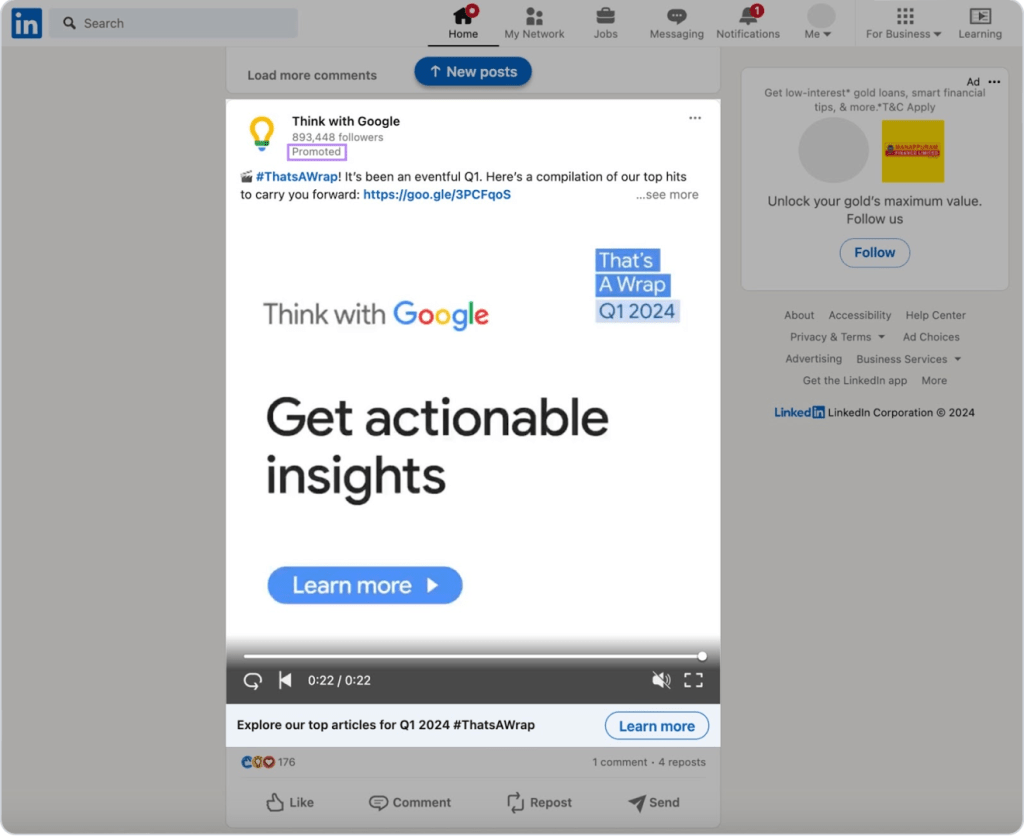
Taking a Stance
I believe native advertising can be ethical, but only if it’s completely transparent. Brands should never try to confuse readers. The key is clearly labeling native ads as sponsored and ensuring they offer real value, not just promotion.
This builds stronger trust between brands, media outlets, and readers. Native ads should be clearly marked as paid content and not hidden with unclear language. When done right, they can give readers helpful information while giving brands positive exposure.
For brands, being honest about native ads can strengthen their content strategy. Transparency builds trust, which is important for creating long-term relationships with consumers. Done well, native ads can boost a brand’s reputation by providing value without being sneaky.
The Impact on Content Strategy
Using native ads in a content strategy means balancing transparency with engagement. Brands that are upfront and committed to high-quality content can make native ads a powerful tool. But if they try to mislead, they’ll lose trust fast, which is hard to earn back.
As Shannon Willoby and Boris Mustapic note in their article Native Ads: What They Are & How to Use Them, “Native ads often feature content that aligns with the audience’s interests. And because they feel less like ads, they can garner more engagement.”
Brands should focus on creating native ads that align with their overall strategy, providing value and insights instead of just pushing products. For example, a tech company could run a native ad offering cybersecurity tips, or a wellness brand could write about mental health. By focusing on educational or entertaining content, brands can build stronger connections with their audience.
Overall
In the end, the ethics of native advertising come down to transparency and respect for the audience. Brands can use native ads ethically if they are clear about their intentions. As the line between ads and content keeps blurring, it’s important for brands to be honest and intentional in their native ad efforts.
By focusing on adding value and being transparent, brands will not only keep their audience’s trust but also boost their reputation in a crowded market.
References
Conick, H. (2024, January 22). 6 ways to make your native advertising more ethical. American Marketing Association. https://www.ama.org/marketing-news/6-ways-to-make-your-native-advertising-more-ethical/
Myers, B. (2023, June 14). Is native advertising ethical?: Blog: Advant Technology. Advant Technology Limited. https://advanttechnology.com/is-native-advertising-ethical/#:~:text=Ethical%20native%20advertising,-Ensuring%20audiences%20are&text=There%20are%20also%20concerns%20about,also%20sometimes%20called%20branded%20content.
Willoby, S., & Mustapic, B. (n.d.). Native ads: What they are & how to use them. Semrush Blog. https://www.semrush.com/blog/native-ads/
 Nicole Calabrese's Blog
Leave a comment