We live in a world overflowing with content—whether it’s the files on our computers, the photos on our phones, or the papers on our desks. It’s easy to feel overwhelmed by all of it. I’ve spent a lot of time figuring out how to handle this never-ending flood of content.
What is My Content?
My content includes both digital and physical items. On the digital side, I have files from school, work projects, personal photos, and creative work that I’ve made for internships. These are scattered across different specific folders for specific categories. Physically, I have books, notebooks, printed articles, and a few keepsakes I can’t bring myself to throw away. Both types of content are important to me, but they serve different purposes and need to be managed in different ways.
How I Decide What to Keep and What to Discard
Figuring out what to keep and what to toss isn’t always easy. It’s tempting to hold onto everything “just in case” I need it later. But over time, I’ve realized that not everything is worth saving. For instance, digital content can pile up quickly if I don’t stay on top of it.
I’ve recently learned about “digital minimalism,” which taught me to be more intentional with what I save and consume online. Digital Minimalism: A Complete Guide to Simplify Your Digital Life from Lark Suite mentions, digital minimalism involves simplifying your digital life by focusing on what truly adds value and eliminating what doesn’t, helping me to reduce content clutter on my devices.
I’ve started to apply this by regularly going through my digital files and deleting anything that’s no longer useful. This has been especially helpful in keeping my email inbox under control. I used to keep emails forever, but now I’m more conscious about deleting what I don’t need.
On the other hand, physical content is a bit trickier because it often carries more emotional weight. Inspired by Marie Kondo’s method, I ask myself if an item truly brings me joy. If it doesn’t, I let it go. Kondo, author of The Life-Changing Magic of Tidying Up, says: “By keeping only those things that spark joy, you can declutter and organize your life.” When I apply that concept, I’m keeping the memories but not holding onto the clutter.
How I Organize My Content – Trying Not to be a Hoarder
Staying organized is something I’ve had to work on, especially as my content collection grows. I wouldn’t say I’m a content hoarder, but I do tend to keep things longer than I probably should.
For digital content, I like to keep things very organized. I create folders and use tags to make finding things easier. For example, I recently had a marketing internship where I created folders titled “Video Content”, “Post/Story Content”, and “Canva Content”. Every few months, I do a digital “spring cleaning” to delete old files and reorganize what’s left.
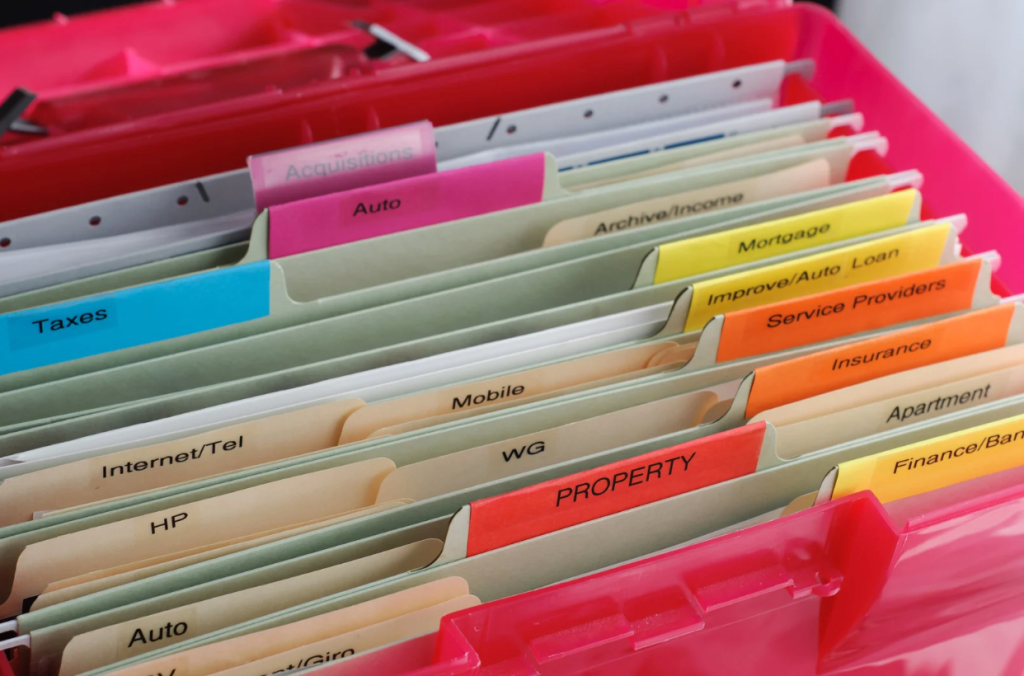
For physical items, I use filing systems and storage bins. Important papers go into labeled folders, and keepsakes are stored in boxes that I go through every so often. This helps me keep my space from becoming too cluttered and ensures I can find what I need without digging through piles of stuff.
My Strategy for Managing Content
The biggest lesson I’ve learned is that having a strategy is key to managing content. Without a plan, it’s easy for things to get out of control. My strategy includes regular reviews and being frugal about what I keep in the first place.
As Meghan Casey puts it in The Content Strategy Toolkit, “Content strategy is about ensuring content helps users meet their needs and that content supports key business objectives.” I resonate with this, because being intentional with my content, whether it’s for jobs or graduate school, helps me stay focused on what really matters.
Additionally, setting aside time to go through my content—both digital and physical—and deciding what’s worth keeping has been a part of my daily routine. In all. It helps cut down on the clutter. This approach, inspired by digital minimalism, has really helped me manage my content better.
How Long Should Content be Kept?
Deciding how long to keep content is a tough call. For digital files, it depends on whether they’re still relevant to what I’m doing now. I keep them if they’re useful, but I also know when to let go to make room for new things. For example, an old folder from a music class I took my freshmen year of college is no longer necessary to have.
When it comes to physical content, it’s more about emotional value. Some items I’ll keep forever because they mean something to me, while others get tossed once they’ve served their purpose. It’s all about finding a balance between holding onto what matters and not letting clutter take over our lives.
Conclusion
Managing content—whether digital or physical—is an ongoing process. It takes mindfulness, intention, and a willingness to let go of what’s no longer needed. By combining what I’ve read about lately with my own experiences, I’ve developed a system that works for me. It helps me stay organized, focused, and free from the overwhelm that content can bring. Overall, content isn’t just about what we keep, but how we use it to engage with the world around us.
References
Casey, M. (2023). The Content Strategy Toolkit Methods, Guidelines, and Templates for Getting Content Right. New Riders.
Team, L. E. (2023b, December 22). Digital Minimalism: A complete guide to simplify your digital life. Lark. https://www.larksuite.com/en_us/topics/productivity-glossary/digital-minimalism
Kondo, M. (2016). The Life-Changing Magic of tidying up by Marie Kondo: The Japanese art of decluttering and organizing: An action steps summary and analysis. Findaway World.
 Nicole Calabrese's Blog
Leave a comment