
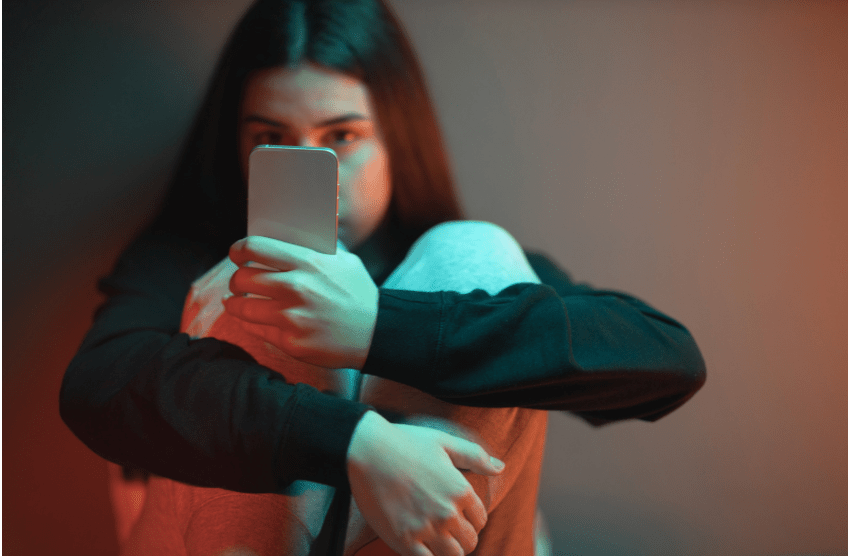
Today we experience tons of connectivity through social media platforms like Instagram, Snapchat, Facebook, and TikTok.
Personally, Instagram is the app that I have a love-hate relationship with.
I love it because I can see what everyone is up to or watch funny videos on Reels, but hate it because it consumes all of my time. According to my phone’s data, I spent 9 hours and 28 minutes on Instagram in one week.
Inspired by Nicholas Felton, who intensely tracked his data for over a decade, and the “Dear Data” project, I conducted a five-day experiment to give up Instagram and document the impact it had on me.
I made sure to keep a log, track my emotional state, participate in alternative activities, and track how productive I was without Instagram. I turned off all Instagram notifications such as the banners, stack, count, and list, and deleted the app off of my home screen so that I wasn’t tempted to click on it.
Day 1
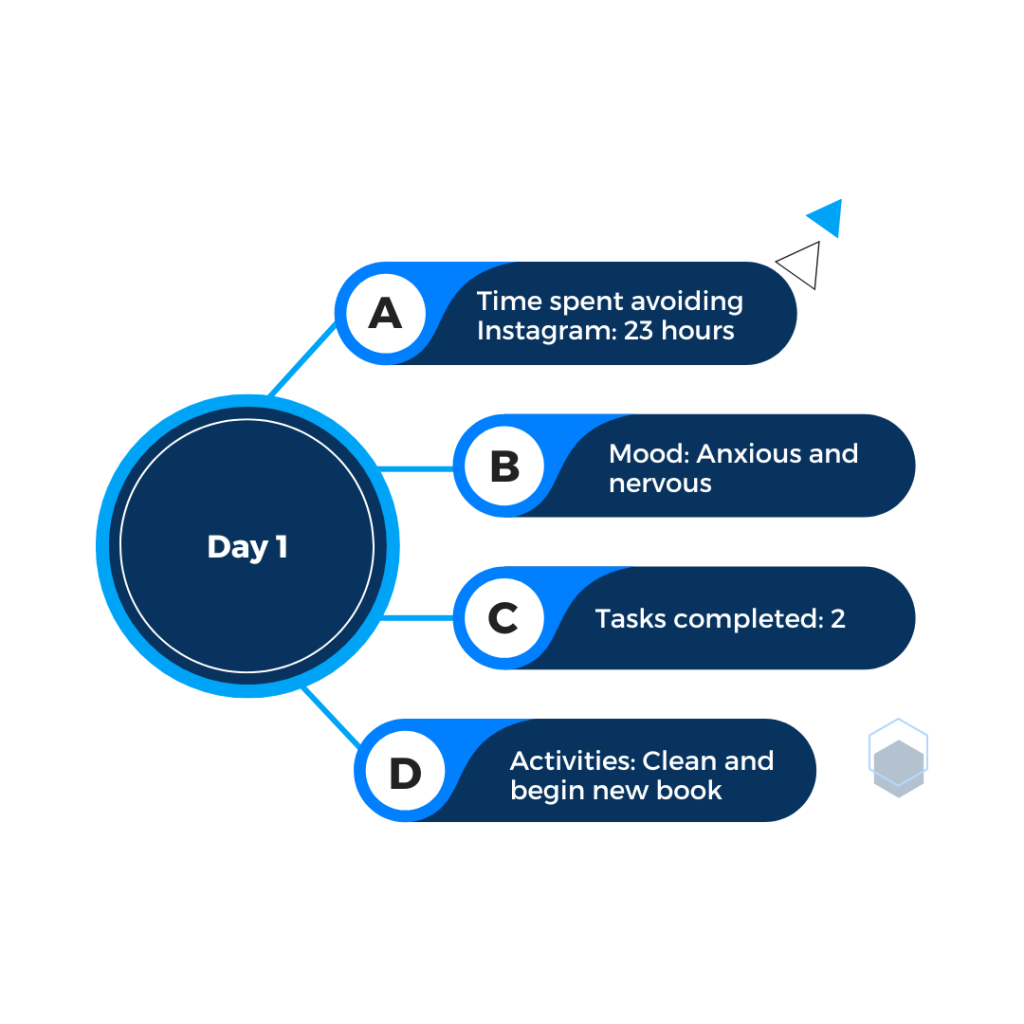
The first day was the hardest. I caught myself checking my notification center out of habit. Johann Hari, in “Stolen Focus,” discusses how constant digital distractions contribute to anxiety and reduced attention spans.
There were three instances where I almost opened up Instagram and noted that I felt a slight sense of anxiety each time. I redirected this energy toward cleaning my room and completing a chapter of a new book I had gotten: Too Late by Colleen Hoover.
Day 2
By the second day, I became more aware of how frequently I checked my phone. The “Dear Data” project, where Giorgia Lupi and Stefanie Posavec tracked their lives through weekly postcards, inspired me to visualize my data. I tracked each time I felt the urge to use Instagram. Seeing the data in front of me opened my eyes to how unhealthy my habit of constantly being on Instagram is.

Day 3
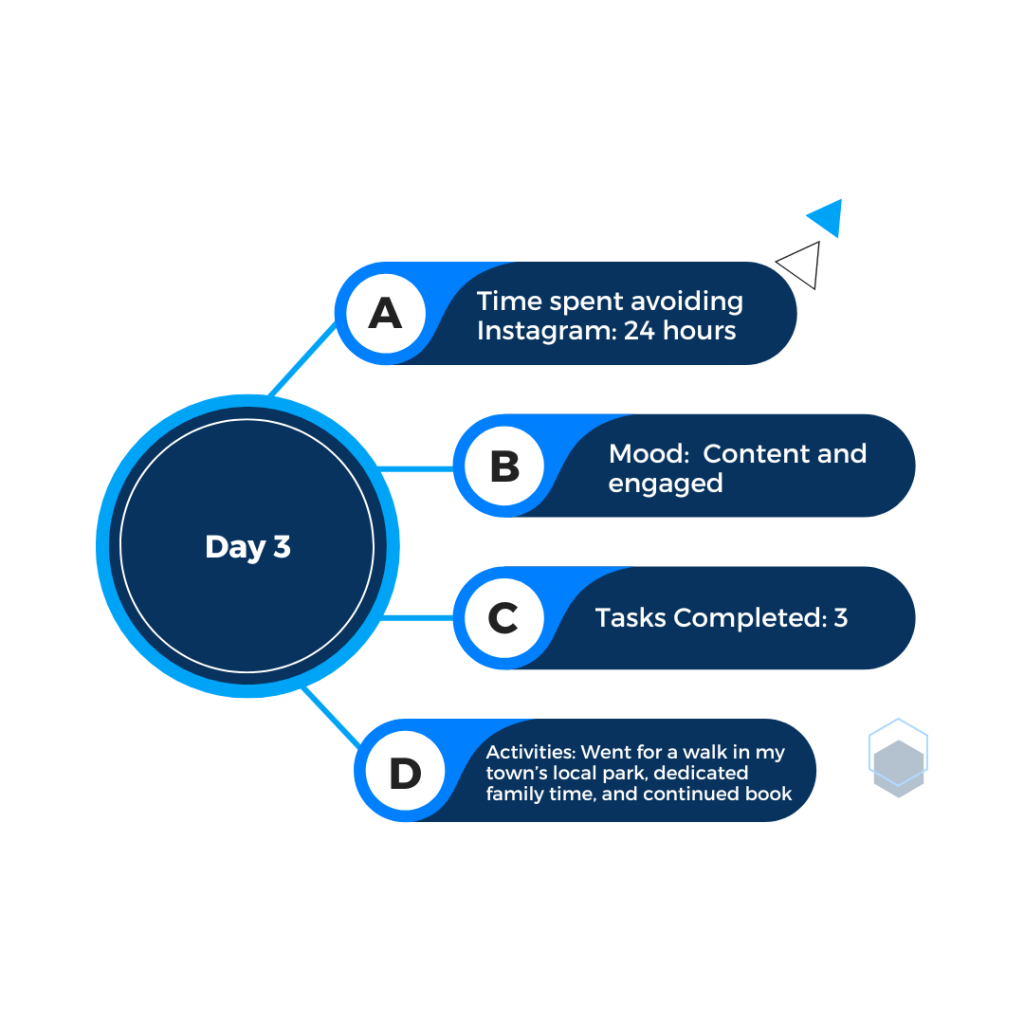
Midway through the experiment, I noticed a change in myself. According to Nicholas Felton, “…awareness is the first step to understanding behavior patterns.” (Wired, 2015). Without Instagram, I was still somewhat curious what other people were doing and what Reels were being posted, but didn’t care as much anymore.
I found myself spending more time outdoors to distract myself and talking to my family at home more often, rather than sitting in silence with them while I went on my phone.
Day 4
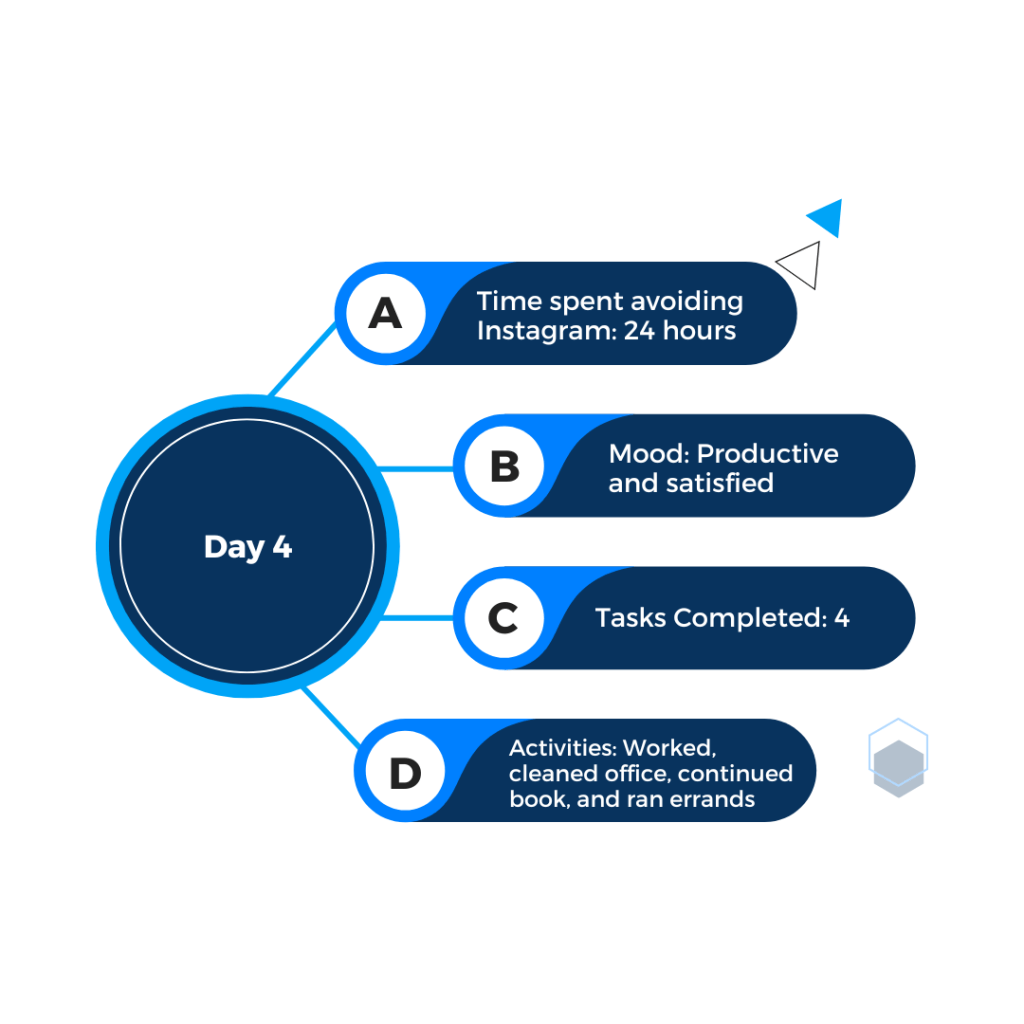
On the fourth day my productivity definitely improved. Tasks that usually took hours were completed more efficiently. I found that while working, I checked my phone way less and that I was able to complete my work for the day with ease.
Seeing Felton’s approach to tracking personal data highlighted the importance of understanding where my time is spent. I realized that Instagram had been a significant time sink, and without it, I could focus better on my work.
Day 5
The final day of my experiment had me feeling accomplished and left with clarity. I found myself not checking my phone as often as I had on day one. Not even by mistake or out of habit. While I still missed seeing what people were up to or scrolling endlessly through Reels, I felt like this experiment curbed my appetite for Instagram.

My five-day experiment of giving up Instagram gave me insight into the habits I have created and their impact on my life. It emphasized the importance of mindfulness, especially nowadays By tracking my behavior, emotional state, and productivity, I discovered the hold social media had on my everyday routine.
As Nicholas Felton’s data collection and the “Dear Data” project demonstrate, understanding and visualizing personal data can lead to meaningful life changes.
This experience has encouraged me to become more mindful of how I spend my time, and I am even excited to see what social media app I can try this experiment with next!
References
Feltron.com. Feltron. (n.d.). http://feltron.com/FAR14.html
The project. Dear Data. (n.d.). http://www.dear-data.com/theproject
Rhodes, M. (2015, October 19). This guy obsessively recorded his private data for 10 years. Wired. https://www.wired.com/2015/10/nicholas-felton-obsessively-recorded-his-private-data-for-10-years/
Hari, J. (2022). Stolen focus: Why you can’t pay attention–and how to think deeply again.
 Nicole Calabrese's Blog
Leave a comment