
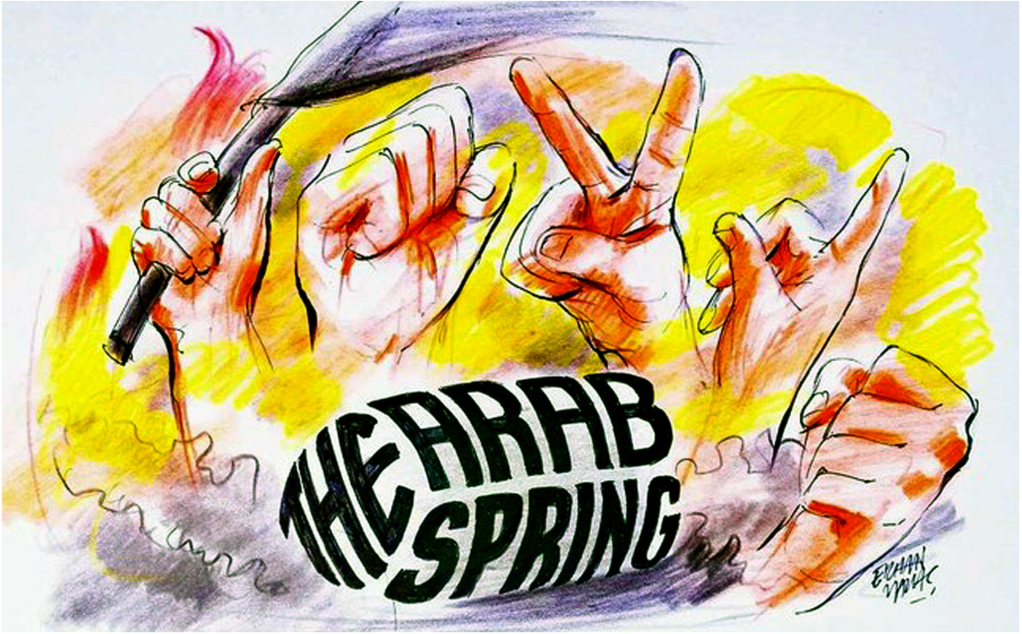
Social media can spark, fuel, and even shape major social justice movements around the world.
Back in 2010, the Arab Spring erupted across the Middle East and North Africa. As citizens took to the streets demanding freedom and change, Twitter and Facebook became virtual megaphones to echo their voices throughout the globe.
Social media wasn’t for viewing your friends and family’s posts about their vacations or pets anymore; it was for organizing protests, documenting human rights abuses, and challenging oppressive authorities one post at a time.
Hashtags such as #egypt and #Jan25 became symbols of resistance, uniting activists both online and in the streets. Twitter and Facebook helped facilitate citizen journalism, providing real-time updates on events and exposing government crimes.
Social media plays an important role in empowering people to challenge injustice and demand a better future for themselves and their countries.
You may be asking yourself; Can a tweet really take down a corrupt government or right the wrongs of society?
Well, social media is the ultimate equalizer. It gives a voice to the voiceless, connects people across continents, and holds those in power accountable for their actions. It’s like David slinging a stone at Goliath, only this time, David has millions of followers cheering them on.
Social media can be used to mobilize action. Whether it’s organizing protests or boycotting companies that support injustice, platforms like Twitter and Facebook empower ordinary people to become agents of change.
Next time you scroll through your feed, remember that behind every hashtag is a story waiting to be heard, a cause waiting to be championed, and a movement waiting to change the world.
Whether it’s fighting for democracy halfway across the world or demanding justice in your own backyard, never underestimate the power of a single tweet to spark a revolution.
 Nicole Calabrese's Blog
Leave a comment